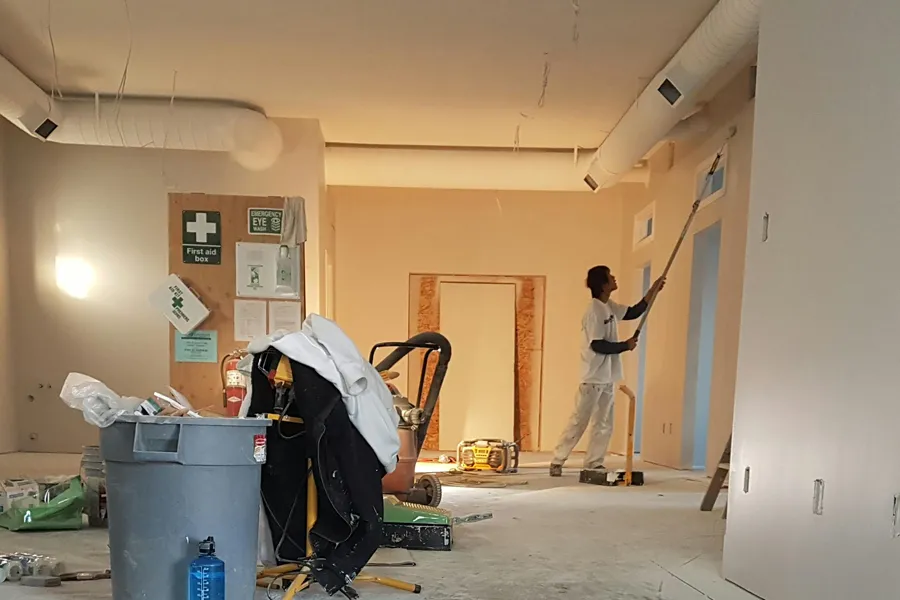
Renovations, Value-Add, and “Hidden Basis”
Renovations, Value-Add, and “Hidden Basis”: The Cost Seg Strategy Most Investors Miss

The easiest money to find is the money you already spent.
If you’ve renovated a rental, repositioned a commercial property, or executed a value-add strategy, there’s a strong chance you’ve created tax savings you’ve never claimed.
Not because you did anything wrong.
But because most investors never learn how renovations really affect depreciation.
They improve the property.
They raise rents.
They boost value.
And then — from a tax perspective — they leave money sitting on the table.
Let’s fix that.
How Renovations Change the Depreciation Picture
When you renovate a property, you’re not just increasing market value.
You’re creating new depreciable assets.
Every upgrade — from flooring to wiring to HVAC — becomes part of your tax basis.
That new basis can often be depreciated faster than the original building.
But only if it’s properly analyzed.
What Most Owners Assume
Many investors believe:
“I already did cost segregation when I bought the property. I’m done.”
That’s rarely true.
Major renovations reset the depreciation clock on new components.
Each improvement creates a fresh opportunity for acceleration.
If you don’t revisit your depreciation after renovations, you’re likely missing a second wave of deductions.
The Common Trap: Everything Gets Lumped Together
Here’s what happens in most portfolios.
An owner renovates:
Units
Common areas
Building systems
Exteriors
Parking
Landscaping
They spend hundreds of thousands — sometimes millions.
Then, at tax time, it all gets capitalized into one line item:
“Building Improvements — 39 Years”
From the IRS perspective, that’s legal.
From a strategy perspective, it’s expensive.
Why?
Because many of those components qualify for much faster depreciation.
When everything is lumped together, acceleration disappears.
Thinking in Buckets: How Smart Owners Classify Improvements
Sophisticated investors don’t see renovations as one expense.
They see four buckets.
Each bucket depreciates differently.
1. Building (Structural Components)
These are long-life assets:
Foundations
Structural walls
Roof systems
Load-bearing elements
Core building framework
Typically depreciated over:
27.5 years (residential)
39 years (commercial)
Some renovation costs belong here.
Many don’t.
2. Land Improvements
These are exterior assets tied to the site:
Parking lots
Sidewalks
Fencing
Retaining walls
Outdoor lighting
Landscaping systems
Usually depreciated over 15 years.
This category is frequently overlooked.
Yet it often represents a meaningful portion of renovation budgets.
3. Personal Property
These are non-structural, removable, or short-life components:
Flooring
Cabinets
Appliances
Specialty lighting
Decorative finishes
Dedicated wiring
Millwork
Often depreciated over 5 or 7 years.
This bucket is where much of the hidden value lives.
4. Qualified Improvements (When Applicable)
Certain interior improvements to commercial property may qualify for special treatment under current tax rules.
Examples include:
Interior buildouts
Tenant improvements
Layout reconfigurations
System upgrades inside the building
When properly structured, these can receive accelerated depreciation.
This category depends on property type and timing — and must be evaluated carefully.
Why This Classification Matters So Much
Let’s look at a simple example.
An owner spends $500,000 renovating a multifamily property.
Scenario A: No Analysis
All costs → 27.5-year property
Result:
Slow write-offs
Smaller annual deductions
Lost acceleration
Scenario B: Proper Cost Seg Review
$180,000 → 5/7-year property
$120,000 → 15-year land improvements
$200,000 → Building
Result:
Significant front-loaded deductions
Stronger cash flow
Higher reinvestment capacity
Same renovation.
Completely different tax outcome.
The Documentation That Actually Matters
You don’t need perfect records.
But you do need the right ones.
Strong documentation protects your deductions and reduces audit risk.
Here’s what matters most.
✔️ Scope of Work
Detailed descriptions of what was done:
Materials
Systems
Areas improved
Nature of upgrades
The clearer the scope, the easier classification becomes.
✔️ Invoices and Vendor Bills
Itemized invoices are gold.
They show:
Labor vs materials
Component-level costs
Installation details
Lump-sum invoices make analysis harder — but not impossible.
✔️ Draw Schedules
For larger projects, draw schedules reveal:
Phases
Budget allocations
Construction timing
They help reconstruct costs when details are missing.
✔️ Before-and-After Evidence
Photos, inspection reports, and project summaries establish:
What changed
When it changed
How extensive it was
This strengthens audit defensibility.
How to Maximize Savings Without Creating “Audit-Bait”
Aggressive classification without support is dangerous.
So is leaving money unclaimed.
Professional strategy lives in the middle.
Here’s how credible firms protect both sides.
1. Engineering-Based Analysis
Renovation studies should include:
Construction review
Component identification
Cost modeling
IRS guidance alignment
This isn’t guesswork.
It’s technical work.
2. Consistent Methodology
Each project should follow the same analytical framework.
Inconsistency is what attracts scrutiny.
3. Conservative Where It Matters
Not every cost should be accelerated.
Pushing borderline items creates risk.
Smart advisors protect long-term outcomes over short-term hype.
4. Integration With Your CPA
Your cost segregation provider and CPA should collaborate.
That ensures:
Proper reporting
Correct elections
Clean tax filings
Teamwork reduces exposure.
Why Value-Add Investors Have the Most to Gain
If your strategy involves:
Buying underperforming assets
Renovating aggressively
Repositioning
Raising rents
Refinancing
…you are constantly creating new basis.
Every project is a potential tax lever.
Ignoring that lever compounds opportunity loss over time.
The Bottom Line: Renovations Create Hidden Assets
Your renovation budget didn’t disappear.
It turned into depreciable property.
If it’s sitting in the wrong category, it’s working against you.
With proper analysis, it can work for you.
The difference isn’t effort.
It’s awareness.
Is There a Second Wave of Savings in Your Property?
If you’ve renovated in the last few years, your property may have untapped deductions waiting to be unlocked.
We’ll review:
Your renovation history
Your documentation
Your depreciation treatment
Your income profile
And show you whether a second wave of savings makes sense.
No pressure.
No hype.
Just clarity.
👉 If You’ve Renovated Recently, Let’s Find Your Hidden Basis
Disclaimer: This content is for educational purposes only and does not constitute tax advice. Always consult your CPA or tax advisor regarding your specific situation.
